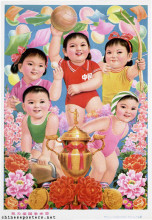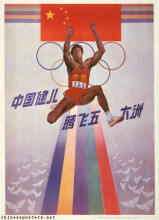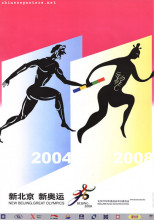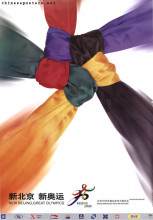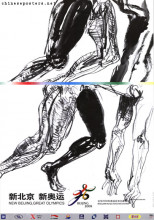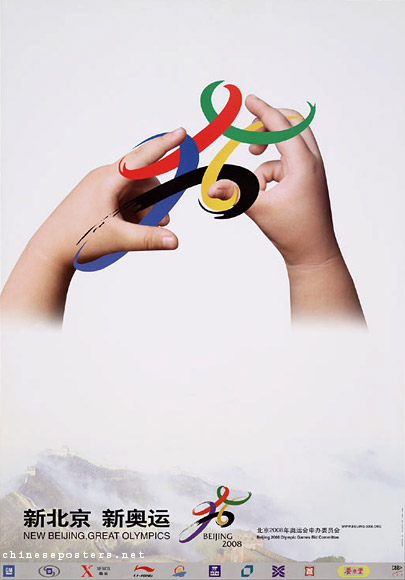
New Beijing, Great Olympics, 2000
On 13 July 2001, the International Olympic Committee voted for Beijing to host the Olympics in 2008. This decision ended a period of intense lobbying, in which at one point the Chinese government stated that hosting the Olympics constituted a human right for the Chinese people. China’s candidacy met with fierce opposition from various quarters. The country’s human rights record in particular was mentioned most often as a reason for not honoring Beijing. In 1993, human rights, and the repression of the student demonstrations in 1989, had been reasons for China’s loss to Sydney to organize the 2000 Olympics.
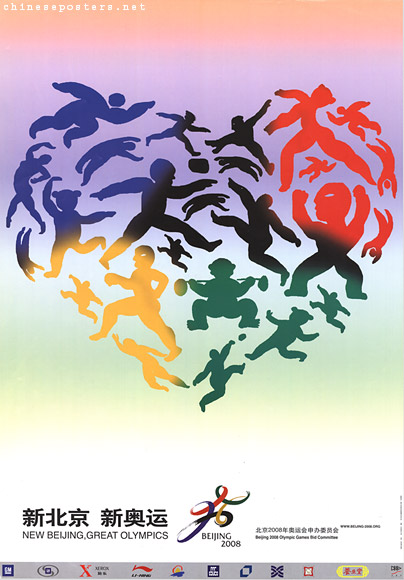
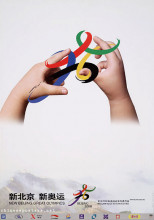
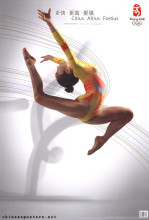
New Beijing, Great Olympics, 2000
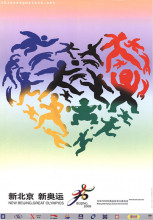
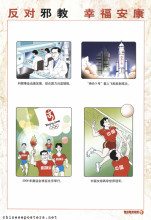
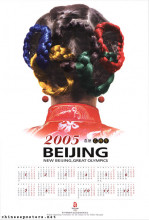
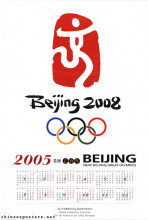
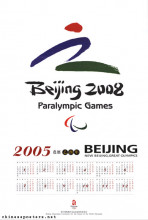
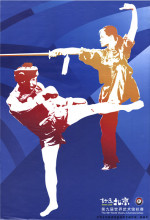
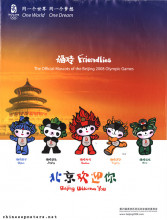
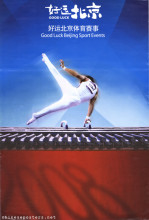
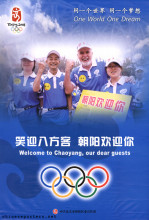
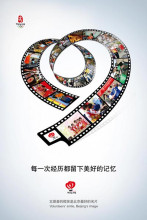
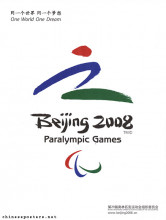
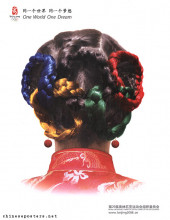
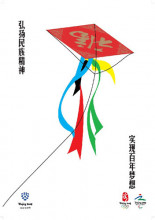
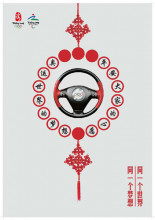
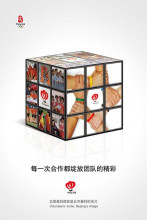
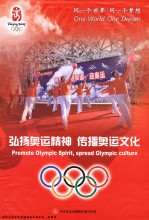
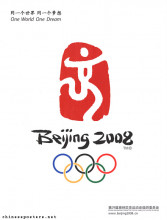
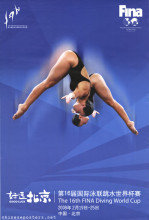
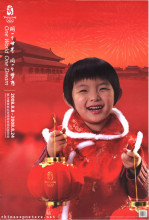
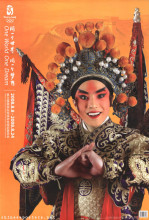
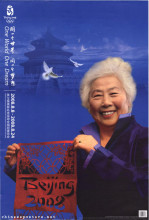
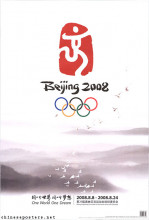
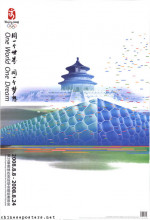
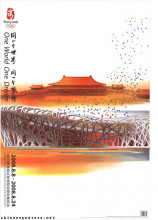
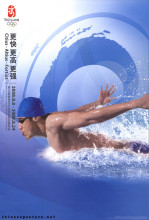
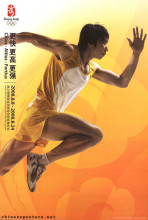
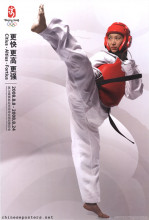
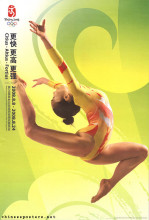
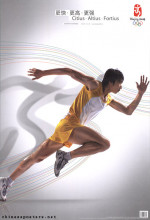
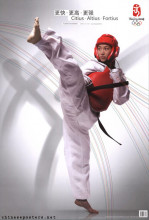
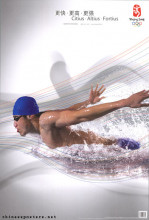
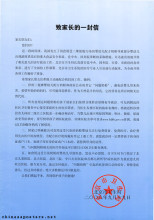
Millions of yuan and dollars were invested in the publicity campaign. Complete sections were sponsored in major newspapers, including the International Herald Tribune, in order to sway public opinion. The posters shown here seem to have been produced for domestic consumption only.
With the slogan "New Beijing - Great Olympics", the government was faced with more capital outlays: US$ 12 bn. was earmarked for a huge environmental cleanup, which would include the closing down or relocation of polluting factories. Another US$ 22 bn. was set aside for the construction of Olympic stadiums and transport improvements. According to officials, construction would include work on Tiananmen, where beach volleyball and triathlon races were scheduled.
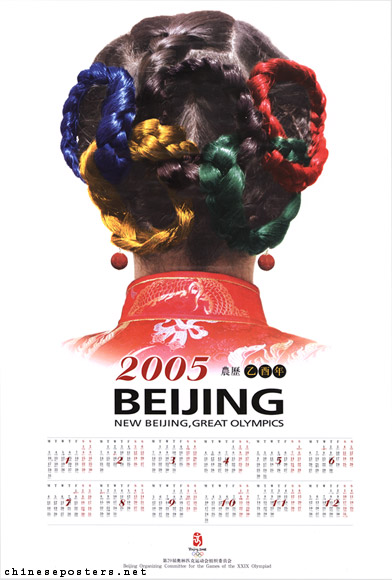
New Beijing, Great Olympics, 2005
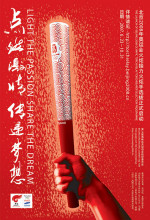
The Olympic torch was an important symbol in the preparations for the games. The organizing committee planned an international torch relay to ‘Light the passion, share the dream’. The burning torch was carried over the continents and all across China by carefully selected torch bearers. In the West, the event was used (or, in the view of many Chinese, abused) to protest against the Chinese policy on Tibet, and was almost obscured by high security measures.
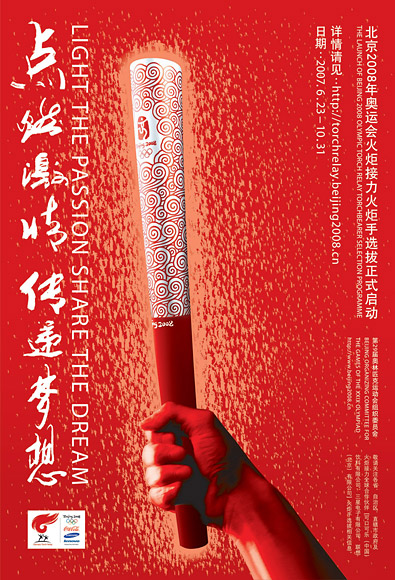
Light the passion, share the dream, 2007
The official Olympic posters were published in July 2008: 16 for the Olympics and 16 for the Paralympics.
The Official Website of the Beijing 2008 Olympic Games  (Chinese and English)