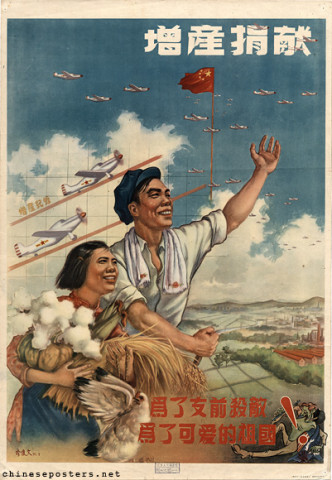
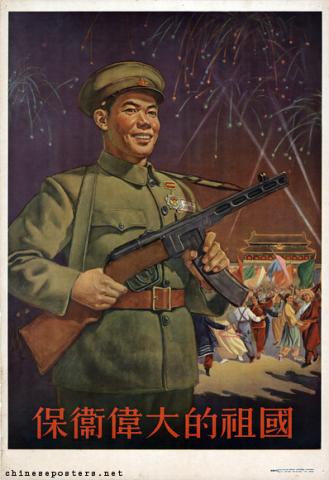
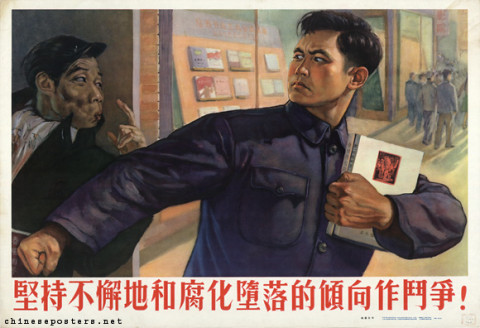
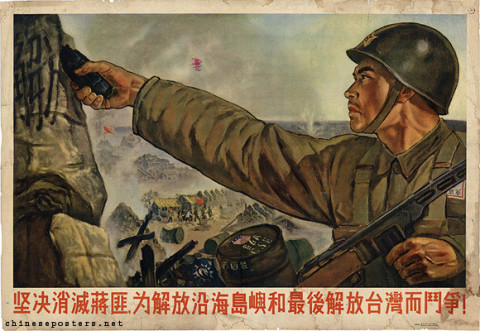
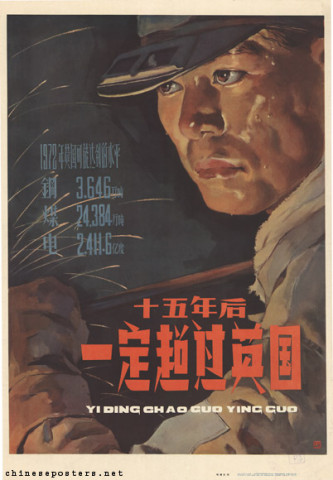
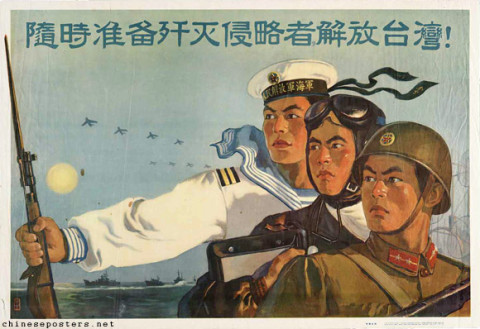
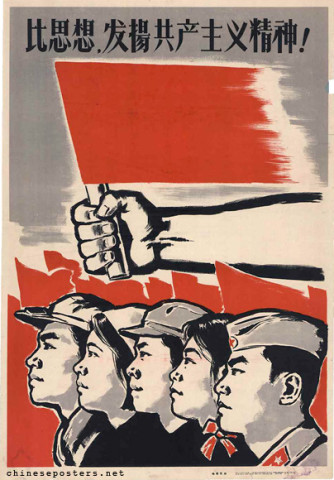
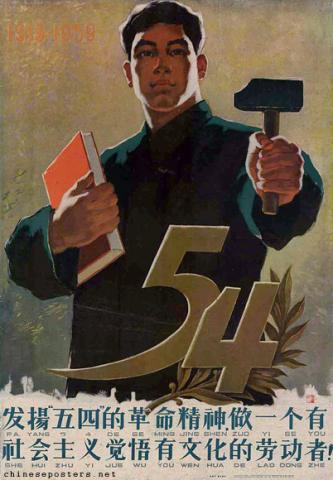
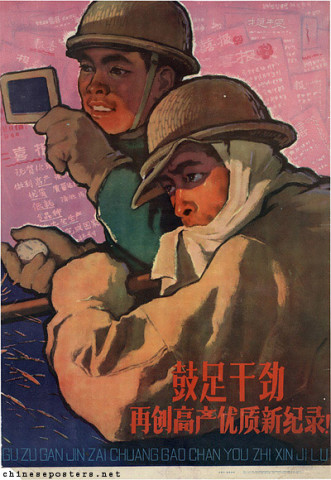
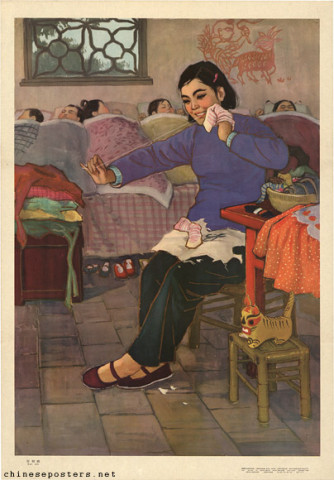
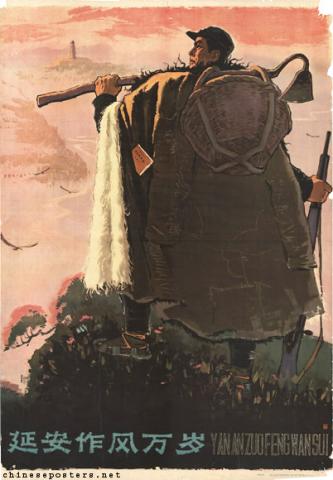
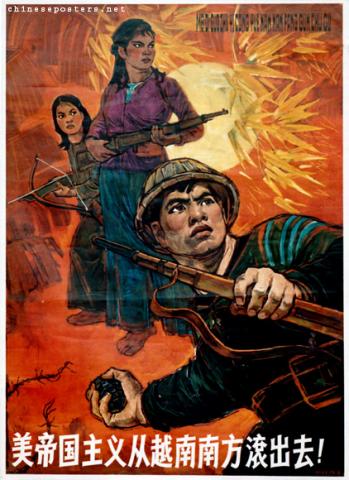
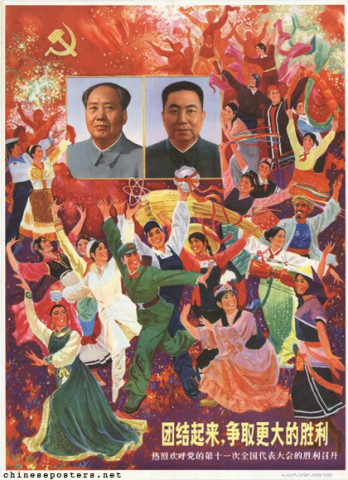
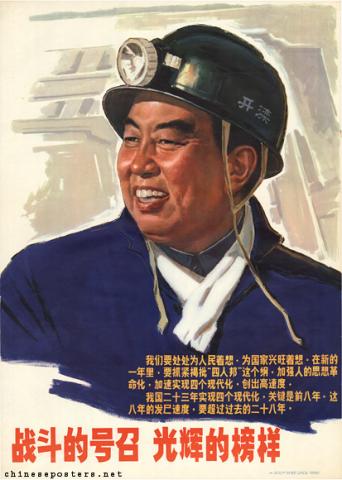
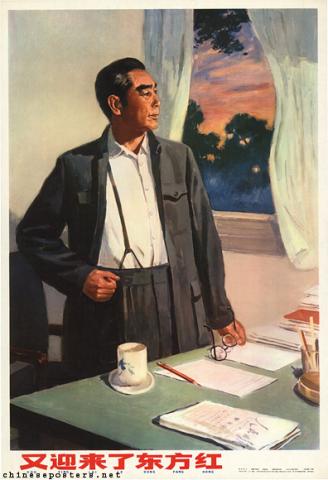
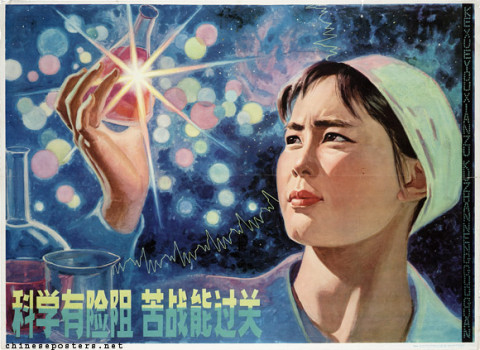
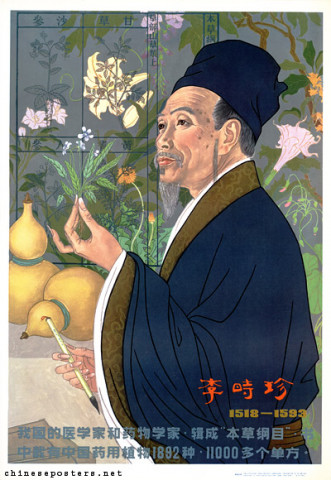
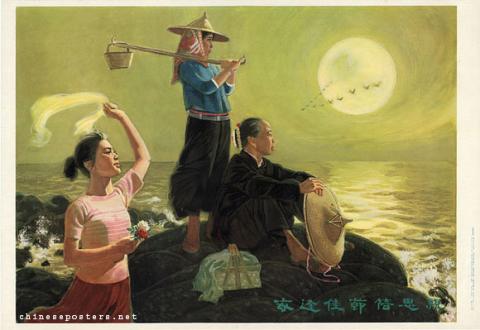
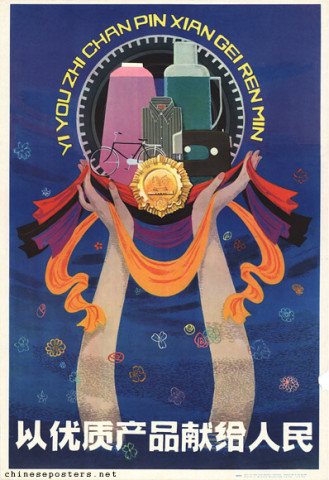
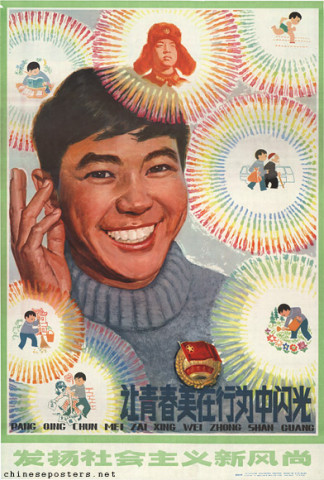
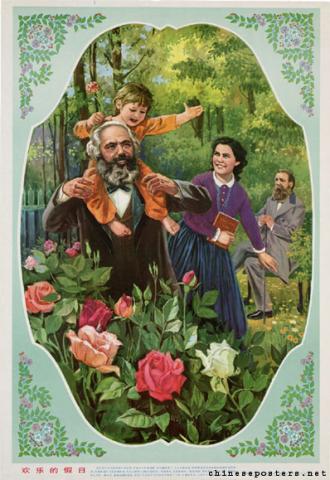
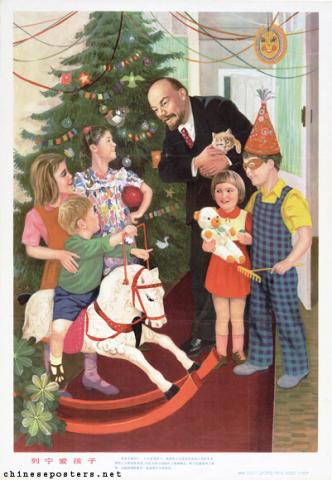
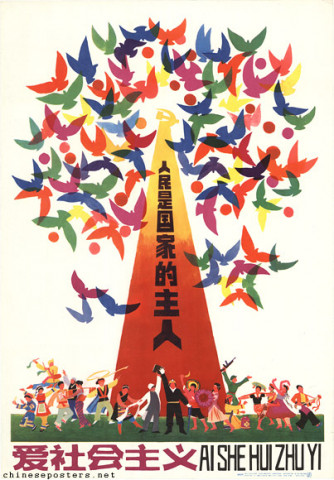
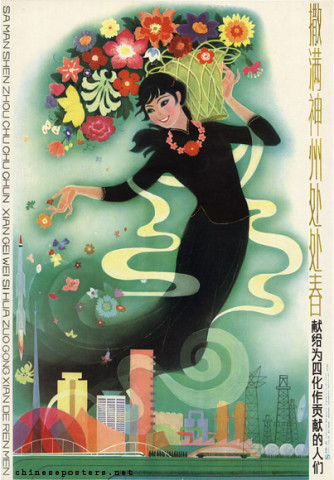
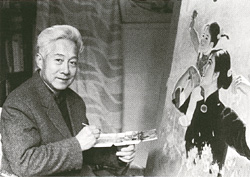
 Ha Qiongwen (1925-2012) was born in Beijing. He was of Hui ethnicity. After his graduation from the Fine Arts Department of the Chongqing Central University in 1949, he joined the People's Liberation Army. Ha taught in the Art Department of the East China People's Liberation Army Military University. In 1953, he moved to Beijing and worked in the Cultural Department of the PLA. In the same year, he visited the North Korean war theatre, where he spent time with the Railroad troops of the Chinese Volunteer Army.
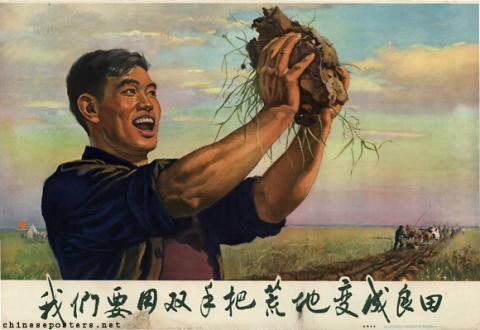
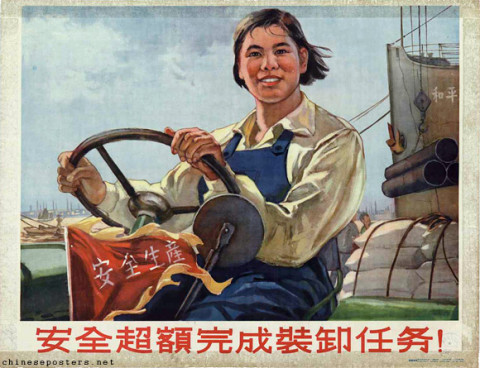
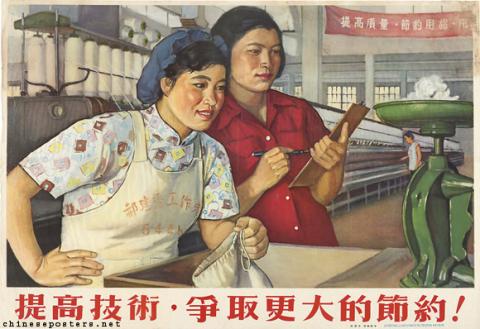
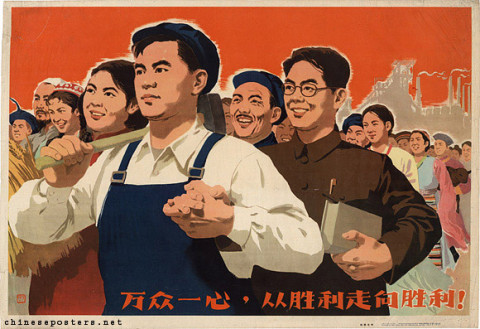
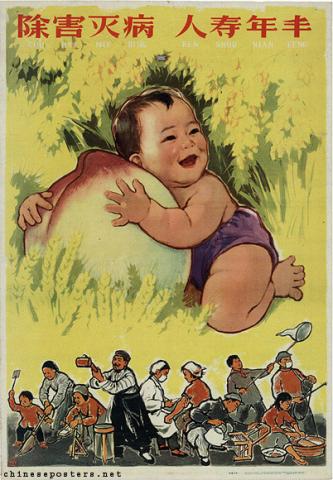
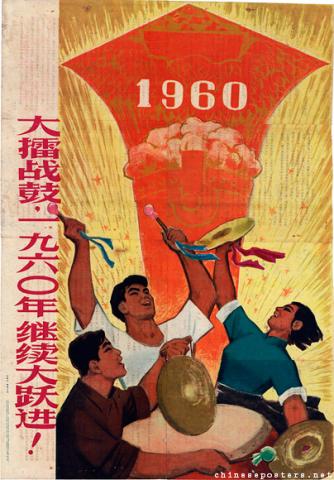
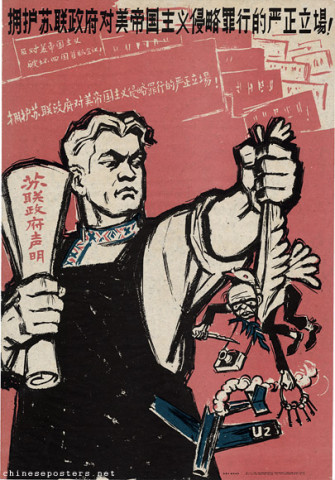
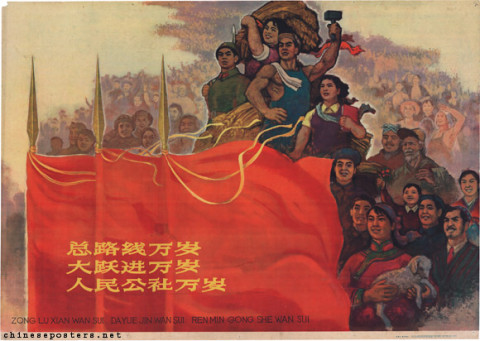
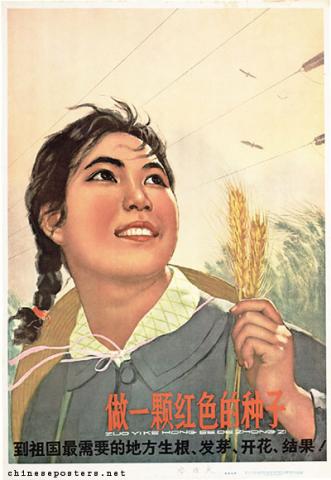
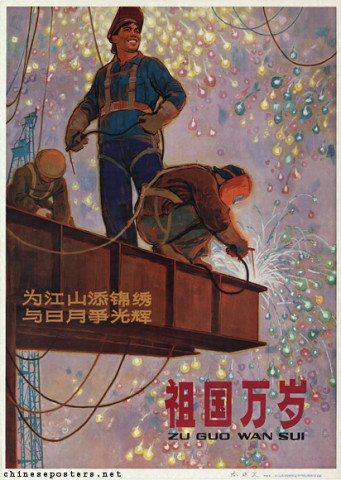
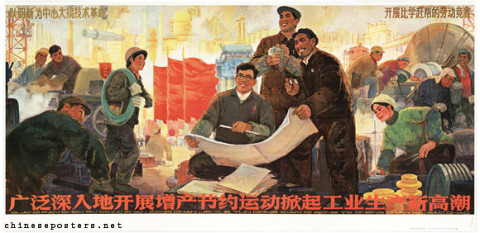
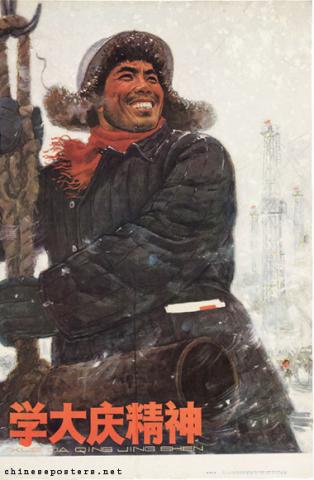
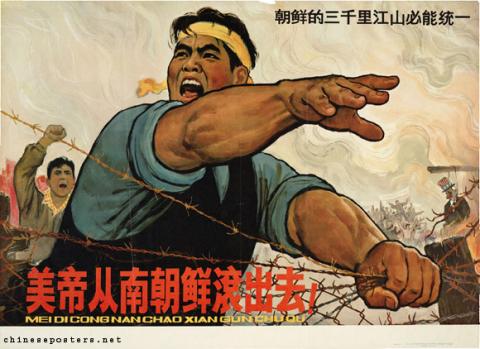
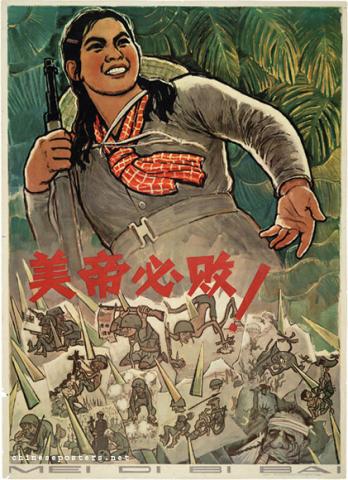
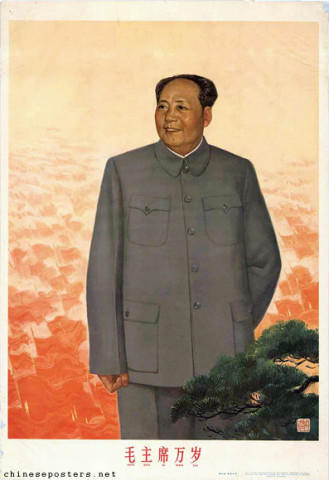
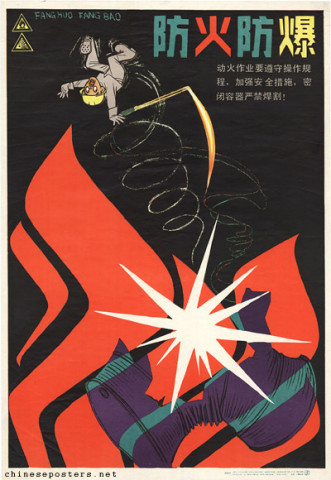
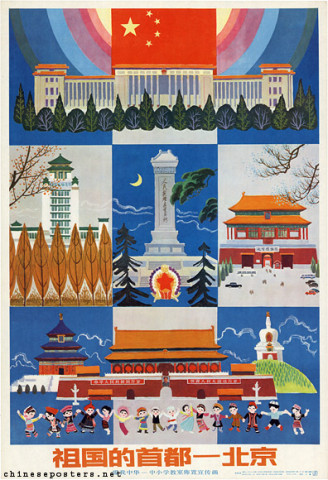
In 1955, Ha was transferred to the Shanghai People's Fine Arts Publishing House (Shanghai renmin meishu chubanshe 上海人民美术出版社), where he worked with his former classmate, colleague and wife You Longgu (游龙姑), a gifted and versatile designer in her own right. By the late 1950s, Ha and his Shanghai colleague Qian Daxin (钱大昕) were considered the most prolific designers of propaganda posters, producing some of the best remembered works. More than ten million copies of Ha's designs have been released.
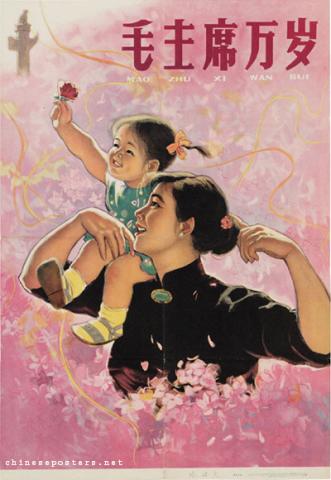
During the Cultural Revolution, Ha was attacked as the "Top Celebrity of the Literature and Arts Black Line". Ha's poster design Long live Chairman Mao from 1959 was at the root of his problems: why had he depicted a bourgeois woman instead of a female proletarian? Where was Chairman Mao? Why didn't the poster praise the Chairman more explicitly? Every time the literature and arts world held a criticism meeting, he was dragged out as an object of public abuse. As a result, Ha was publicly beaten and humiliated more than thirty times. Despite this maltreatment and a suicide attempt that caused the loss of sight in his right eye, Ha remained active as poster designer, although his name was not mentioned or was replaced by that of some 'collective'. Shortly after the fall of the Gang of Four he started designing numerous posters for the Shanghai People's Fine Arts Publishing House again.
Ha retired in 1992. A number of his propaganda paintings as well as his oil paintings has been included in Chinese museum collections. Ha was married to You Longgu (游龙姑). Their son Ha Sizhuang (哈思庄) also became a poster designer / artist. Their daughter Ha Siyang (哈思阳) became senior editor at the Shanghai People's Fine Arts Publishing House. She edited and wrote several publications about her parents' life and work.